Your preferred annual dinner venue in KL just came back fully booked — every date in December, gone. It’s a familiar scramble: good venues in the city are often booked three to six months ahead of peak season, and once that window closes, planners either overpay for whatever’s left or downgrade a dinner nobody remembers fondly. It doesn’t have to go that way. This guide walks through how to reassess what your event actually needs, widen the search for an alternative past the usual hotel ballrooms, and negotiate a backup venue on your terms instead of theirs.
Written by Andrew Chu, Technical Event Director at Shockwave — 17 years and 1,000+ events across Malaysia.
Quick Takeaways
- Widen search beyond hotel ballrooms fast
- Check loading bay before booking anything
- Restaurants suit smaller, simpler dinner formats
- Confirm halal status directly with venue
- Get deposit and transfer terms in writing
Why Venue Selection Matters More Than Headcount
When your first-choice venue falls through, the instinct is to search using the same filters that got you nowhere the first time: capacity, price per pax, availability on the date. That’s how planners end up in a backup venue that looks fine on paper and falls apart three hours before doors open.
A ballroom that seats 300 comfortably for a sit-down dinner might have a loading dock built for banquet trolleys, not truss and staging. A function room in Bangsar might quote a great rate but have a service lift too small for your LED wall crates. Headcount tells you if people fit in the room. It tells you nothing about whether the room can carry your production.
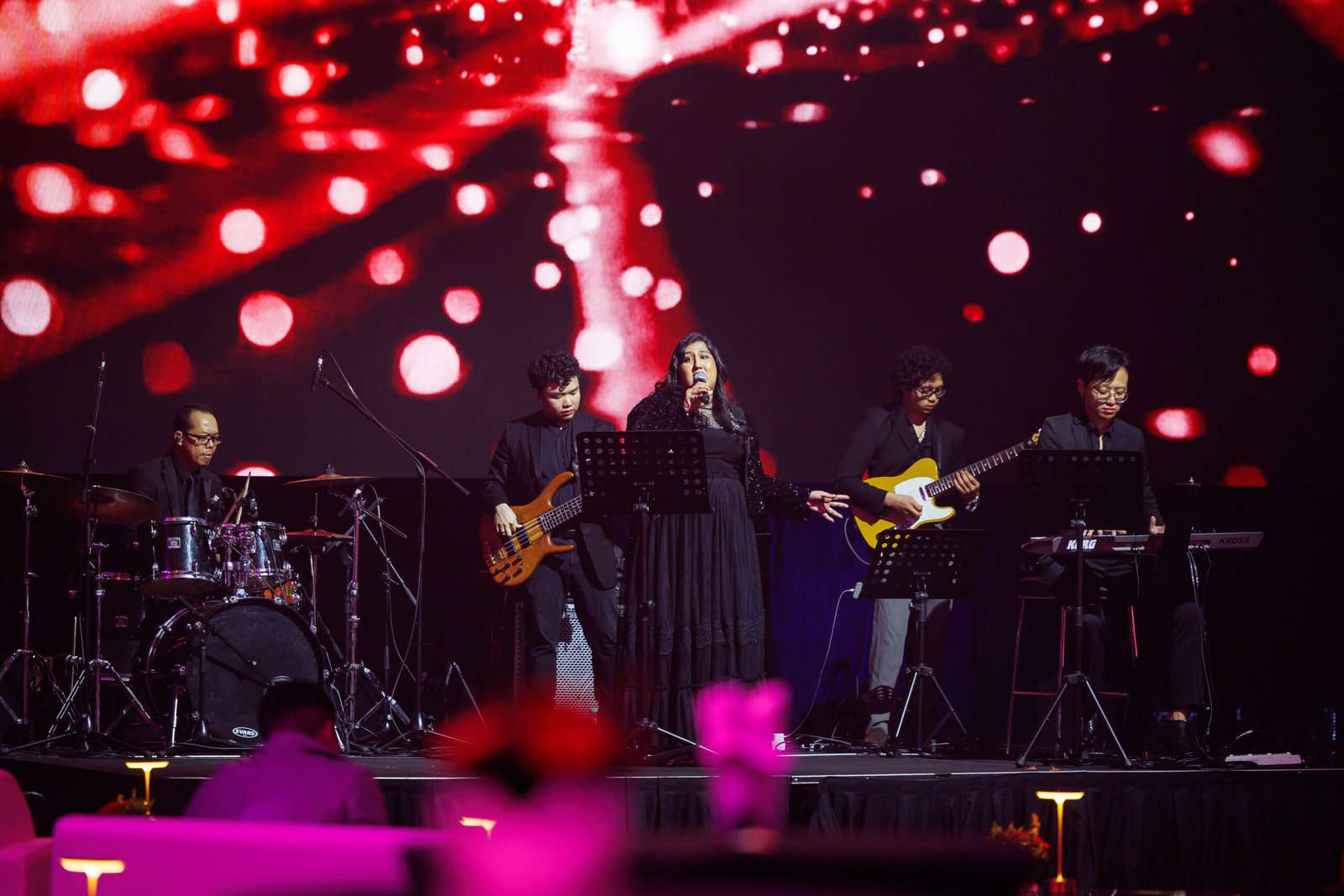
The planners who move fastest under pressure flip the filter. Instead of asking “can this venue hold my guests,” they ask “can this venue carry my show.” That means getting a floor plan and a rigging plot before confirming a date — not after. A restaurant private room and a convention hall can both technically “fit” 150 pax. Only one of them can run a live emcee segment with proper sound reinforcement and a video wall without compromise.
Reassess what your event actually needs first. Then search for the room that can hold it.
5 Technical Factors That Determine Event Feasibility
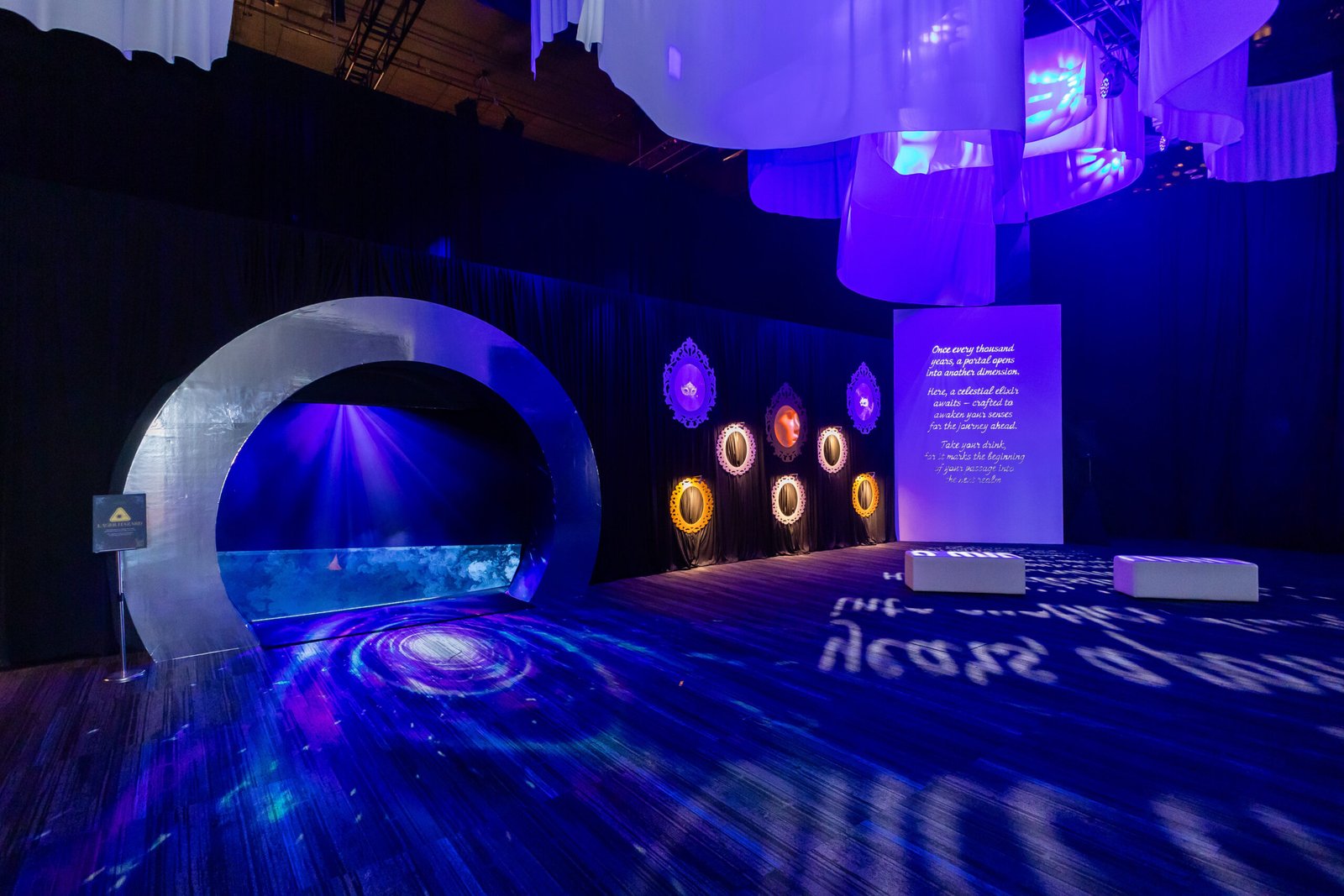
Check these five technical factors before recommending any backup venue — the same checklist used whether it’s a five-star ballroom or a converted warehouse:
- Loading bay access. Can a truck reverse straight to the service lift, or does every truss and crate have to come up in pieces through a narrow corridor? This alone can add hours to your load-in window.
- Ceiling rigging points. A quoted ceiling height means nothing without a rigging plot. No rigging points means lighting and sound sit on ground-supported stands, which shrinks what your stage design can do.
- Power capacity at the stage. Three-phase power at the stage is the difference between a clean show and a tripped breaker mid-programme. Ask for the DB location and capacity, not just “yes, we have power.”
- Backstage and holding space. If your programme has an awards reveal, VIP arrival, or a costume change, you need somewhere for that to happen out of guest sightlines. Some ballrooms genuinely have none.
- Guest traffic flow at peak arrival. Walk the path from car park or lift lobby to the ballroom entrance at the time your guests will actually arrive — not during a quiet afternoon site visit.
Many first-time planners only check the first two — capacity and price — and discover the rest on event day, when it’s too late to fix. Run through all five before signing anything.
Venue Tiers: Premium International / Industrial / Regional / Mall-Based
Once your search widens, group candidates into tiers by what they’re built for, not by star rating. Each tier trades off differently against the five factors above.
A premium international 5-star hotel ballroom in KL Sentral or KLCC usually has mature in-house AVL, strict noise and curfew rules, and catering you can’t bring in from outside. A mall-based convention centre in PJ or Sunway tends to have generous loading access and flexible external vendor policies, but parking and guest flow can get chaotic during mall operating hours. A regional 4-star hotel often has strong food and a lower base rate, but runs a BYO production model — you bring in most of your own AVL rather than relying on the house system. A converted industrial space, like a warehouse in Shah Alam or Klang, gives full creative control over layout and staging, but almost nothing is built in — power, rigging, even air-conditioning may need to be brought in.
Compare candidates on what they can support, not what they cost:
| Factor | Premium International 5-Star | Mall-Based Convention Centre | Regional 4-Star Hotel | Industrial / Warehouse |
|---|---|---|---|---|
| AVL maturity | High — in-house system | Moderate — venue-dependent | Low — BYO expected | None — fully external |
| Catering flexibility | Low — in-house only | Moderate | Low to moderate | High — full outside catering |
| Parking & loading | Moderate | Variable, mall hours matter | Moderate | High — but confirm dock specs |
| Guest flow control | High | Depends on mall traffic | High | Full control, more setup work |
Match the tier to what your programme actually needs, not to prestige.
Common Venue Selection Mistakes
- Quoting a per-pax budget before walking the loading bay. Price the room once you know it can carry your production, not before.
- Assuming ceiling height means rigging capacity. Always ask for the actual rigging plot, not a number off a spec sheet.
- Booking on availability alone. A date being free isn’t the same as the venue being right for your show.
- Skipping the site visit at the actual arrival time. A quiet afternoon walkthrough hides guest flow problems that only surface during peak arrival.
- Not confirming halal status directly with the venue or caterer. Ask outright rather than assuming from general reputation.
- Signing before reading the cancellation and date-transfer clause. Some contracts allow a rebooking credit if plans change; others are hard non-refundable.
- Forgetting backstage needs until programme rehearsal. VIP holding, an awards reveal, or a costume change all need space you should confirm before signing.
- Treating deposit terms as fixed. Deposit percentages and transfer terms are usually negotiable, especially off-peak — ask.
Action Checklist
✅ List your non-negotiable production needs before searching — stage size, AV load, backstage space.
✅ Walk the loading bay and request a rigging plot for every shortlisted venue.
✅ Confirm DB power capacity at the stage location, not just “power available.”
✅ Check guest traffic flow at the actual time your guests will arrive.
✅ Confirm halal status directly with the venue or caterer.
✅ Get 3–4 quotes in parallel rather than negotiating one venue at a time.
✅ Read the deposit, cancellation, and date-transfer clause before signing anything.
##### Suggested Internal Links
- Avoiding common corporate event management mistakes
- How an event management company plans corporate events in Malaysia
- Exhibition stand contractor guide for Malaysian exhibitors
- Explore our full range of event and exhibition services
Frequently Asked Questions
###### Q: What should I do if my company’s preferred annual dinner venue in KL is already fully booked? A: Widen your shortlist immediately to restaurant private rooms, convention centres and non-hotel spaces — they often have dates a hotel ballroom doesn’t. Check loading bay access and power capacity before signing, not after.
###### Q: How many months in advance should I book a corporate annual dinner venue in Kuala Lumpur? A: Good venues in KL are typically booked 3 to 6 months ahead of peak periods, especially for December dinners. Lock your date early — even a tentative hold protects you from the year-end rush.
###### Q: Are there halal-certified venues in KL and Selangor suitable for a large company dinner? A: Yes, but “halal-certified” isn’t a reliable filter by itself. Confirm the venue’s or caterer’s halal status directly, and match it against your actual catering and capacity needs.
###### Q: Can I still get a good annual dinner venue in KL if I’m booking last minute? A: Last-minute bookings are harder but not hopeless — cancellations happen, and smaller or lesser-known venues often still have capacity. Move fast, stay flexible on the exact date, and get quotes from 3–4 options in parallel.
###### Q: Why do all the good annual dinner venues in KL get fully booked by August for a December event? A: Peak season for annual dinners in KL runs roughly mid-October through mid-December, the same window as weddings and year-end launches, so good dates disappear fast. Booking by August protects your date and your rate.
###### Q: Are restaurants a good backup for a company annual dinner if the hotel ballroom is unavailable? A: Restaurants are often faster to secure and simpler to manage, which makes them a solid backup. But private rooms usually cap your staging and AV ambition, so weigh that trade-off if a full production show matters.
###### Q: Is my venue deposit refundable if I need to cancel or change the date? A: It depends entirely on the venue’s contract — some allow date transfers or rebooking credit, others are hard non-refundable. Read the cancellation clause before signing, and ask directly whether a transfer is possible.
###### Q: How much does an annual dinner cost per person in KL? A: Budgets vary by venue tier: roughly RM150-200 per pax at mid-tier 4-star hotels with basic entertainment, RM250-300 for 4-star with full production, and RM400+ at 5-star with custom staging. It varies significantly based on scope, scale, and customisation.
—
##### Ready to Plan Your Backup Venue?
If your preferred date fell through and you need a venue that can actually carry your production — not just seat your guest count — we can help you shortlist and assess options fast.